
Designing The Movies: THE WOMEN (1939)
Runtime: 133 mins | Release Year: 1939 | Rating: NR | Genre(s): Comedy, Drama
Production Country: USA | Original Language: English
Showtimes
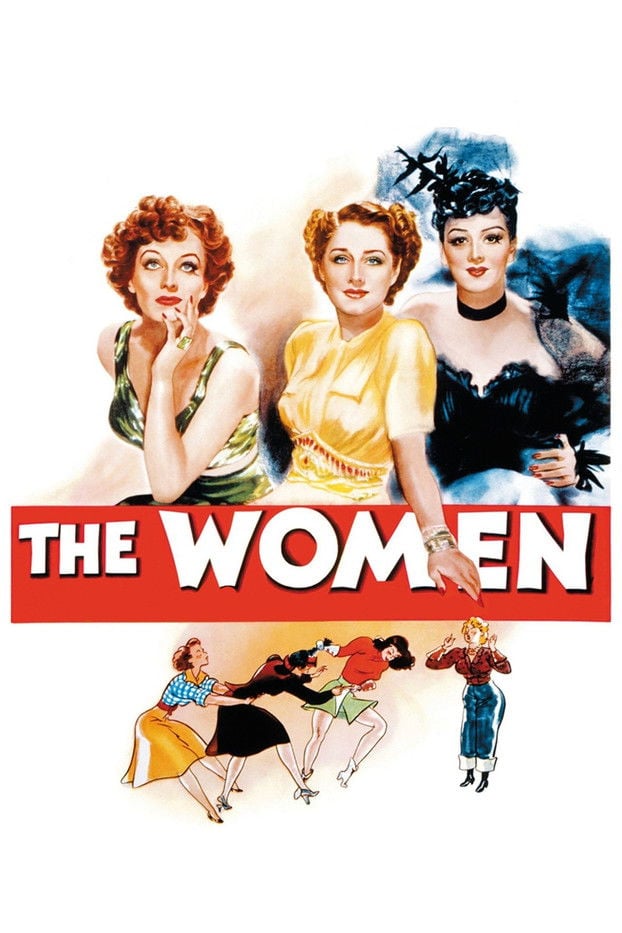
Hollywood’s bitchiest and most iconic fashion film!
Adapted from the hit Clare Booth Luce play, Norma Shearer’s cheerful socialite Mary Haines leads the all-star female cast of this razor-sharp satire—her circle of friends (and frenemies) include Rosalind Russell, Paulette Goddard, Joan Fontaine, and gossip columnist Hedda Hopper, supported by A-list character actresses. Their foe is Crystal Allen (a delicious Joan Crawford), an ambitious and predatory perfume counter girl who has her sights on Mary’s guileless husband. All 135 roles are women, with not a man in sight.
The ensemble’s witty, withering repartee is set against a backdrop of glamorous Manhattan department stores, beauty salons, and luxury apartments imagined by 11-time Oscar winning art director Cedric Gibbons, and the women are garbed in outrageous high-fashion costume design by Adrian (inspired by the surrealist-tinged couture of Elsa Schiaparelli). Filmed in black-and-white and with a spectacular six-minute Technicolor fashion show sequence, the beloved MGM showcase is a touchstone for generations of fashion designers. In Jungle Red!, her new book on the making of The Women, Illeana Douglas calls the classic film a template for contemporary female-driven projects like Sex and The City and The Real Housewives. Gird your loins!
Presented with an introduction by series host Nathalie Atkinson.
Part of the Designing the Movies series!
Cast/Crew Info
Director: George Cukor | Cast: Norma Shearer, Joan Crawford, Rosalind Russell, Mary Boland, Paulette Goddard