
Silent Revue: THE CROWD (1928) – Toronto Theatrical Premiere!
Runtime: 98 mins | Release Year: 1928 | Rating: NR | Genre(s): Drama, Romance
Production Country: USA | Original Language: No Language
Showtimes
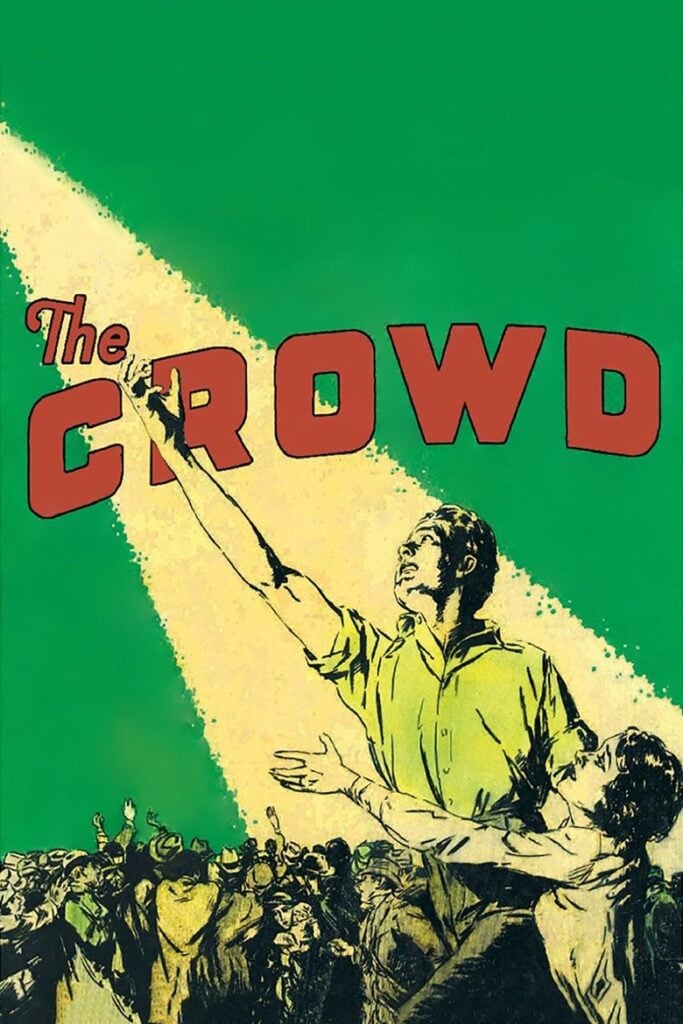
TORONTO THEATRICAL PREMIERE OF NEW RESTORATION!
“The performances are absolutely flawless, and astonishing location work in the busy New York streets (including a giddy tour of Coney Island on a blind date) lends a gritty ring of truth to his intensely human odyssey.” Tom Milne (Time Out Magazine)
An extraordinary film about ordinary people, THE CROWD is minted as one of the key works of the silent era, yet it rarely screens—lucky for the Silent Revue audience, it’s newly restored! King Vidor’s masterwork was one of the biggest risks its studio (MGM) and producer Irving Thalberg embarked upon. Following the success of THE BIG PARADE, Vidor was given carte blanche for his next project and chose to depict the fallacy in the “American dream” via a quasi-experimental work. A controversial project championed by Thalberg, it was loathed by studio head Louis B. Mayer—who predictably found this beautiful film too downtrodden and was enraged by its depiction of an actual toilet (something verboten in filmmaking at the time).
THE CROWD follows the married life of the Sims (James Murray and Eleanor Boardman) as the family’s patriarch aspires to stand out from the crowd through his entry-level office job. While his hard work and dedication is promised to provide for his family, life’s realities intervene. If the plot may not sound like much, that’s the point. Made a century ago, Vidor’s tale is all too prescient today. Featuring stunning and innovative camerawork from Henry Sharp that included hidden cameras on New York City’s streets, THE CROWD was ahead of its time in every way. Mayer fought Vidor’s original ending and demanded seven others be filmed. In the end, exhibitors were able to choose from two different endings—the “happy” one and the far less happy one. In almost every case, they chose the latter (included here in the restoration). While it may have taken decades to pay dividends, today THE CROWD is considered one the most important films ever produced.
Live accompaniment by Marilyn Lerner
Silent Revue is curated by Alicia Fletcher
Part of the Silent Revue series!
Cast/Crew Info
Director: King Vidor | Cast: Eleanor Boardman, James Murray, Bert Roach, Estelle Clark, Daniel G. Tomlinson